
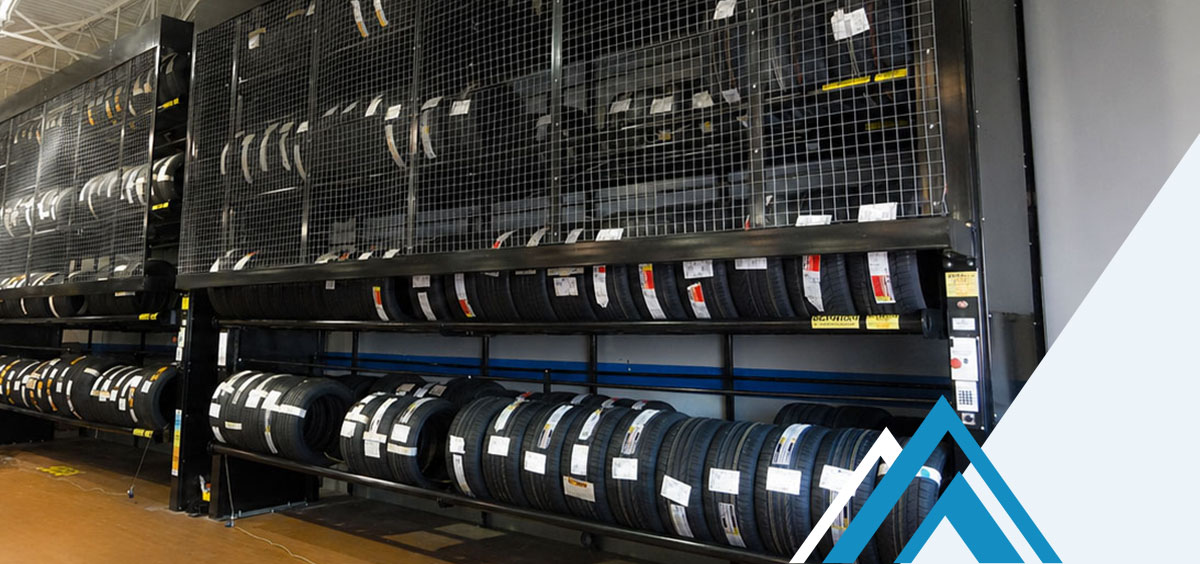
Vertical storage carousels can be a strategic investment for warehouses and distribution centers looking to optimize floor space and improve operational efficiency. These automated retrieval systems bring shelves directly to operators at ergonomic heights, reducing walking time and physical strain while maximizing vertical storage capacity. Understanding the full cost from initial purchase through installation and ongoing maintenance helps facility managers budget accurately and measure return on investment.
What Factors Influence the Cost to Buy a Vertical Storage Carousel?
Purchasing a vertical storage carousel involves multiple variables that affect the final price.
1. Unit Size and Type
This flexibility makes it easier for businesses to select a system that fits their available vertical space and storage needs. Units can range from smaller entry-level models to larger-capacity systems designed for high-bay warehouses. The number of shelves, weight capacity per shelf and overall height can all contribute to cost. Carousel configurations vary by model, application and facility requirements. Other key factors include:
- Drive mechanisms: Chain-driven carousels are commonly used in industrial storage applications, while other drive options may have different performance or maintenance considerations depending on the system design.
- Control systems: Control systems range from simple button interfaces to more advanced software-supported options. This might include integration with warehouse management platforms to increase inventory visibility and enable guided order-picking workflows.
- Automation level: The level of automation you select can influence both up-front costs and long-term operational value.
- Material selection: Material selection affects durability and price. Steel shelving is often well-suited for industrial environments because it supports more demanding storage applications. Modular design options allow you to reconfigure shelving heights as inventory changes, helping support long-term flexibility.
2. Professional Installation
Professional setup helps ensure your carousel is positioned for safe, efficient operation from day one. Installation needs depend on the scope of the project. A trained installation team may handle or coordinate site preparation, electrical work, structural mounting and system calibration. Project complexity depends on ceiling height, existing infrastructure and whether the carousel requires floor reinforcement or special electrical service.
The timeline varies based on system size and site conditions. Larger or more complex projects may require additional coordination with facility operations to minimize disruption. Experienced installers may also provide operator training as part of the commissioning process. This training typically covers basic operation, safety protocols and routine care procedures so teams can use the system confidently and correctly.
3. Ongoing Maintenance
Vertical storage carousels are designed for reliable operation with simple, durable components that may require less routine maintenance than more complex systems. Regular service tasks include inspecting drive components, checking lubrication levels and verifying software settings. Ongoing maintenance helps support system life and reduces the risk of unexpected downtime.
Some facilities choose optional annual maintenance plans that include professional inspections and preventive service. Service contracts may cover items such as:
- Routine inspections: Checking alignment, tension and wear on moving parts
- Lubrication: Applying manufacturer-recommended lubricants to chains, belts and bearings
- Software updates: Installing firmware updates and recalibrating control systems
- Component replacement: Swapping out worn parts before they fail
How Space Savings Impact Your Bottom Line
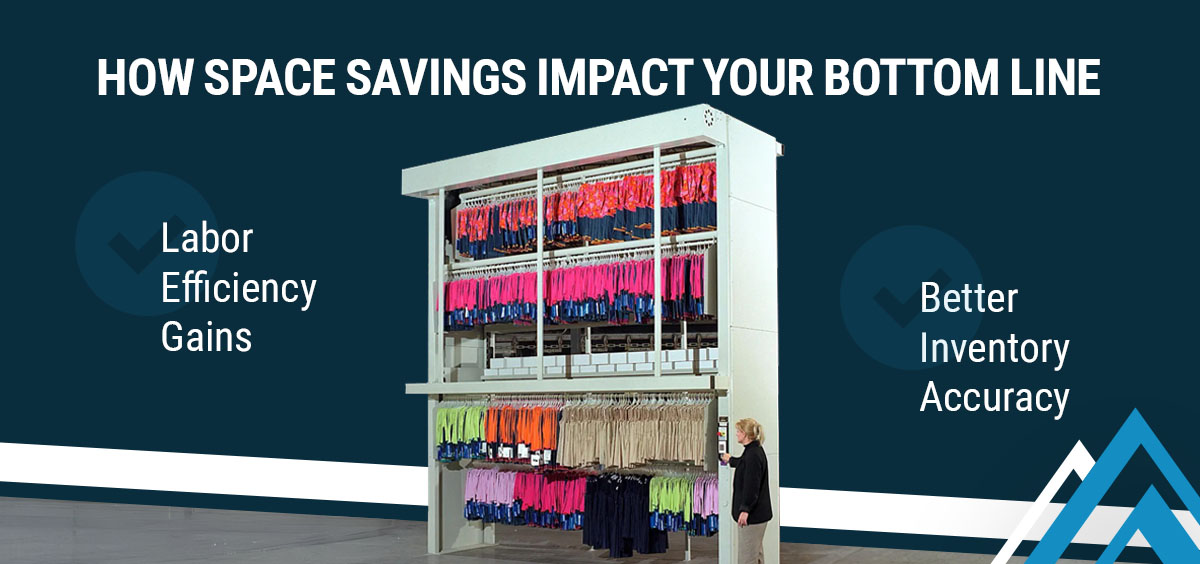
Vertical storage carousels deliver high-density storage by consolidating inventory into a smaller footprint. Traditional static shelving often requires wide aisles for forklifts or manual picking, while carousels bring shelves directly to the operator at an ergonomic height. This shift can help reduce storage footprint while reclaiming valuable square footage for additional production capacity, shipping areas or other operational needs.
Warehouse space costs vary widely by market, facility type and lease structure, but the savings associated with reduced space needs can be measurable. Maximizing vertical space also helps improve building utilization. Facilities with unused ceiling height may not be able to access that space efficiently with static racking. Carousels use this vertical dimension to add more inventory space within existing structures.
Labor Efficiency Gains
Labor often represents one of the largest operating expenses in warehouse environments. Vertical storage carousels can reduce the time workers spend walking, searching and retrieving items. By delivering goods directly to the operator, carousels help improve retrieval efficiency and enable workers to complete more picks per hour.
The impact can extend beyond raw productivity. Reduced physical strain from repetitive bending, reaching and climbing may help reduce injury risk and support safer workflows. A more ergonomic work environment can also support employee comfort during daily operations.
Carousels can also help simplify training. New employees learn a standardized carousel interface rather than relying solely on the layout of a large warehouse. This standardized approach to retrieval processes may help reduce errors and support more efficient onboarding.
Better Inventory Accuracy
Inventory discrepancies can lead to stockouts, overstocking and incorrect shipments. Vertical storage carousels can help improve accuracy by assigning fixed locations to each SKU and using software to guide operators to the correct item. This structured approach may reduce picking errors and make cycle counting more efficient.
When supported by integrated software, real-time inventory tracking can provide visibility into stock levels. This data helps procurement teams make more informed ordering decisions. For operations managing large SKU counts, these accuracy improvements are a key part of controlled inventory management.
How to Calculate Your Expected Payback Period
The payback period for a carousel installation depends on several factors, including the system’s purchase price, installation costs, facility space costs, picking volume and expected operational savings. Facilities often evaluate payback by comparing potential savings from reduced space needs, improved labor efficiency and better inventory accuracy against the total investment. If space constraints are a primary concern, vertical carousels may offer strong long-term value through better space utilization, streamlined retrieval and reduced physical strain on workers.
For example, a midsized carousel that reclaims warehouse space and improves picking efficiency may help reduce annual operating costs by enabling lower space requirements, labor savings and fewer errors.
Choosing the Right Carousel for Your Operation
Choosing the right vertical storage carousel starts with matching the system to your inventory, workflow and long-term storage goals. Key factors to evaluate include:
- Inventory profile: Consider how many SKUs you manage, along with typical item dimensions, weights and storage requirements.
- Picking volume: Review daily picking activity to determine whether basic controls or software-supported options may be a better fit.
- System size and capacity: Choose a carousel size and weight capacity that align with your current inventory needs and available facility space.
- Control system needs: Facilities with higher picking volumes often benefit from software integration that supports inventory visibility, order batching or more efficient retrieval workflows.
- Storage flexibility: Operations with diverse inventory may need adjustable shelving or modular design options to accommodate different product sizes.
- Future growth: Consider whether your facility can later expand the system by adding shelves or pairing it with additional units as inventory needs change.
Working with a storage solutions provider can help you evaluate these factors and select a carousel configuration that supports current operations with room to adapt over time.
Ready to Explore Your Options?
Static shelving often requires wide aisles and may leave vertical space underused, while horizontal carousels can require more floor space depending on the application. Vertical storage carousels address these limitations. They are also well-suited for high-bay environments because they use vertical space in a compact footprint. By bringing items directly to the operator, vertical carousels support faster access, improved ergonomics and more efficient storage workflows.
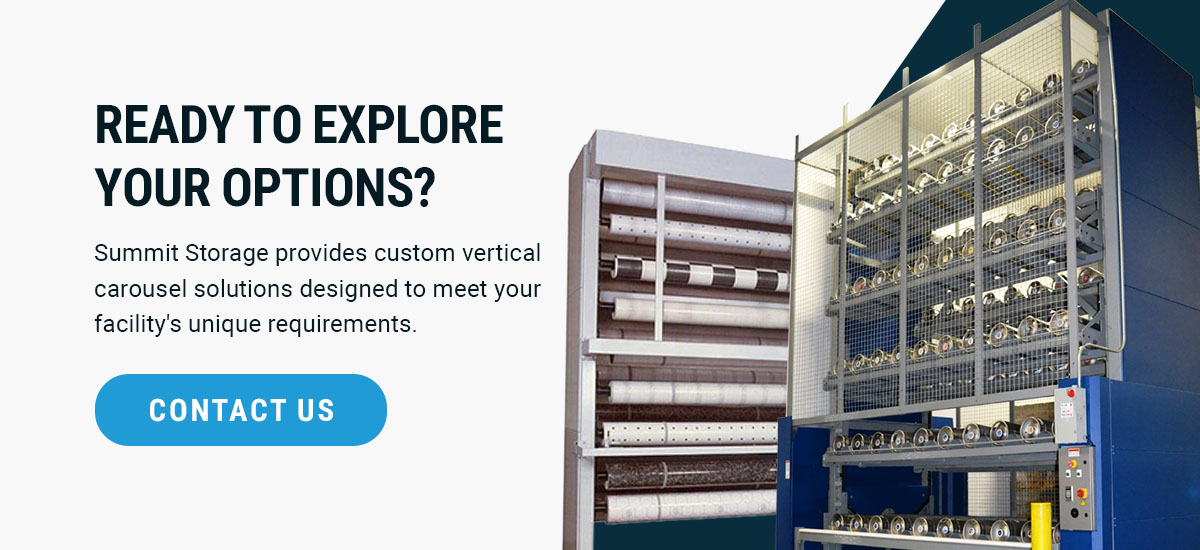
Summit Storage provides custom vertical carousel solutions designed to meet your facility’s unique requirements. Our team evaluates your space, inventory and operational goals to recommend systems that deliver measurable results. From site assessment through installation and ongoing support, we ensure your carousel investment performs as expected.
Request a quote today or call our team at 877-454-6001 to receive a detailed cost analysis tailored to your operation.